Online master classes are held for cadets of the center
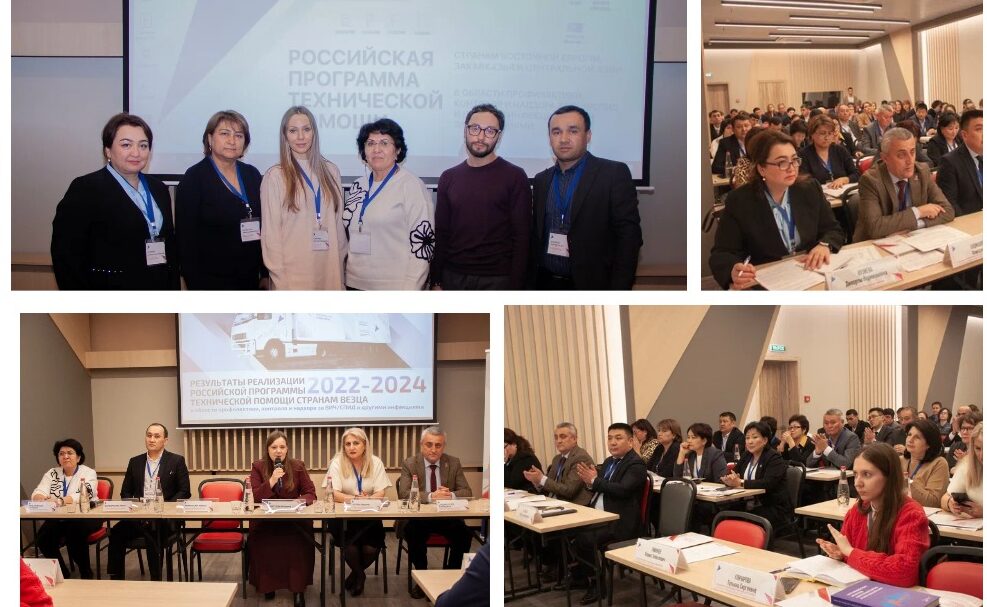
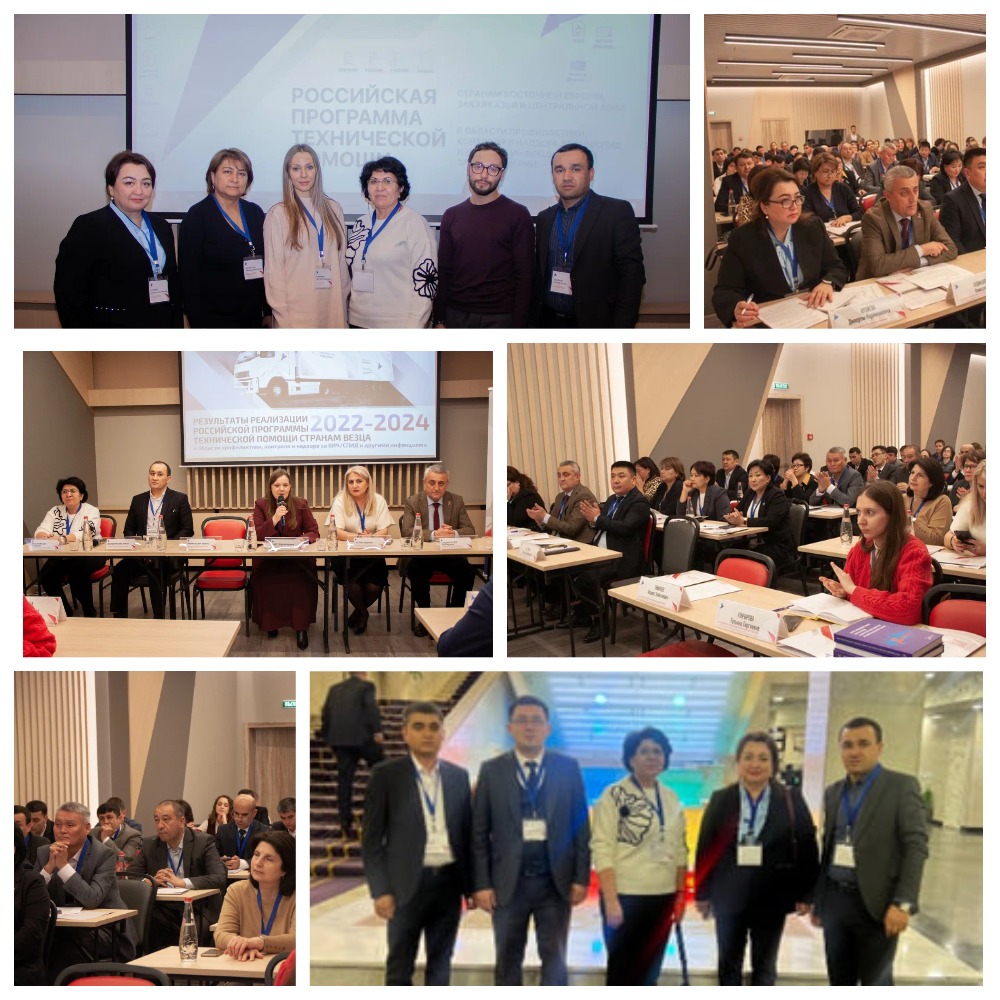
JOn November 18-19 of this year, a conference was held in Moscow within the framework of the "Technical Assistance Program for the Prevention of Infectious Diseases to the Countries of Eastern Europe and Central Asia". Representatives of the Republics of Armenia, Kyrgyzstan, Tajikistan and Uzbekistan took part in it.
The purpose of the conference was to summarize the work carried out to support the health system of Eastern Europe and Central Asia in ensuring effective control over the spread of HIV/AIDS, hepatitis and other infectious diseases.
D. Kuziyeva spoke at the conference on behalf of the members of the delegation of our Republic and gave a brief explanation of the work being done in the diagnosis and prevention of HIV/AIDS, hepatitis and other infectious diseases in the Republic of Uzbekistan.
Director of the center for retraining and professional development of personnel in the field of sanitary-epidemiological tranquility and public health v.b. B. Ubaidullayev spoke about the measures being taken to prevent the spread of HIV/AIDS, hepatitis and other infectious diseases in our country, as well as the center that is operating to improve the knowledge and skills of the workers in this field.
At the same time, experts from the Russian Federation, Armenia, Kyrgyzstan and Tajikistan also spoke and gave information about the work being done to prevent and eliminate HIV/AIDS.
During the conference, a presentation was made on the situation in other countries and work on the prevention and diagnosis of infectious diseases, experience was shared on the treatment of viral hepatitis, work with the infected, examinations among migrants, and medical examination of the population in the regions.
Also, on the second day of the conference, it was agreed with specialists from the Russian Federation, Armenia, Kyrgyzstan and Tajikistan to conduct online master classes for the cadets of the center for retraining and improving their skills in the field of sanitary and epidemiological welfare and public health.
After that, the members of the delegation made proposals to take the project work to a new level, implement educational programs, increase the number of mobile clinics, vaccinate the population and conduct new research on viral hepatitis.